
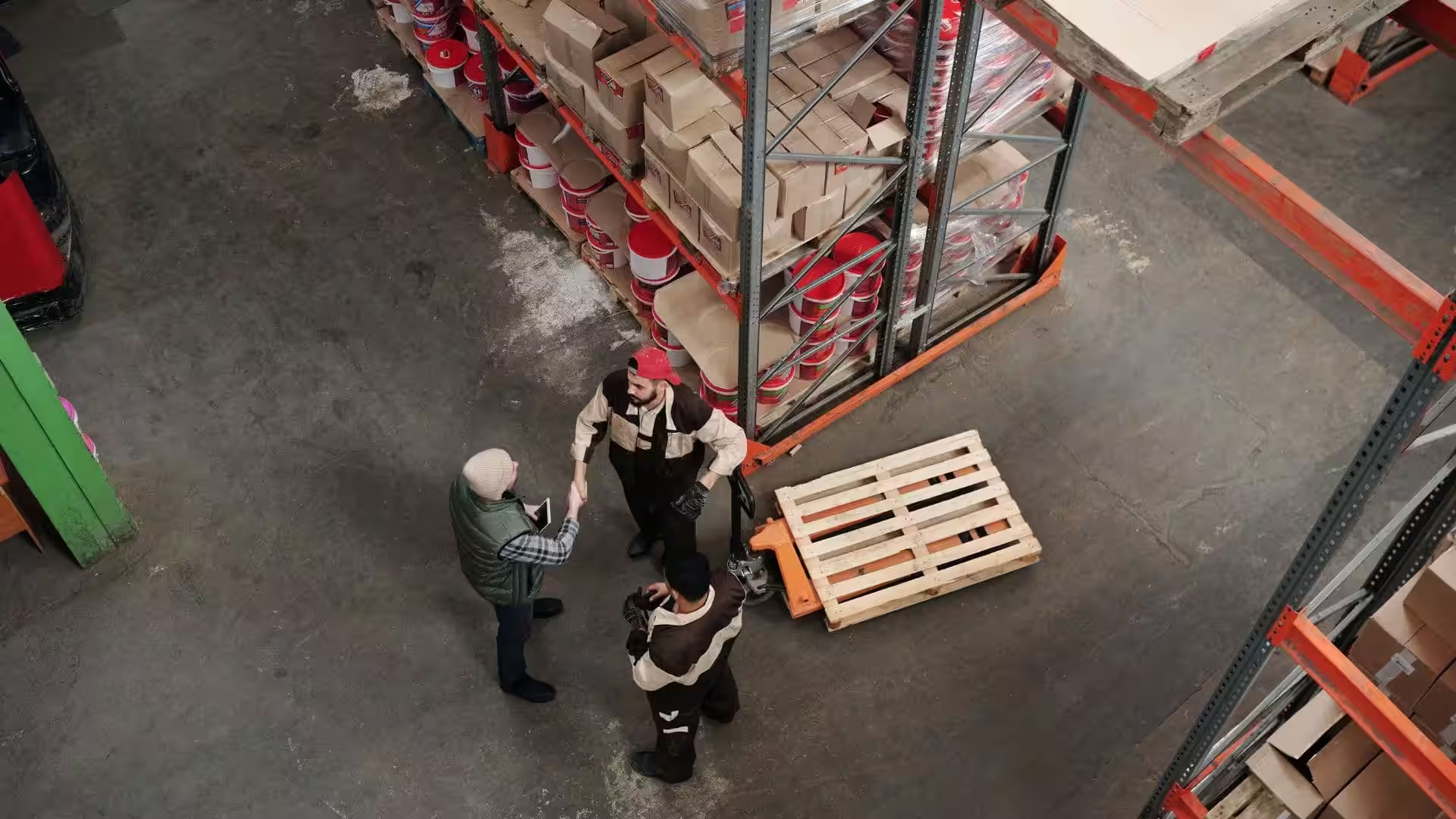
Incoming goods
Match deliveries to your parts list, even when the label is missing or wrong.
Workflow · Parts Verification
Stop the wrong part before it stops production. Photograph a part, match it to your own parts list and confirm it's the one the order says should be there.
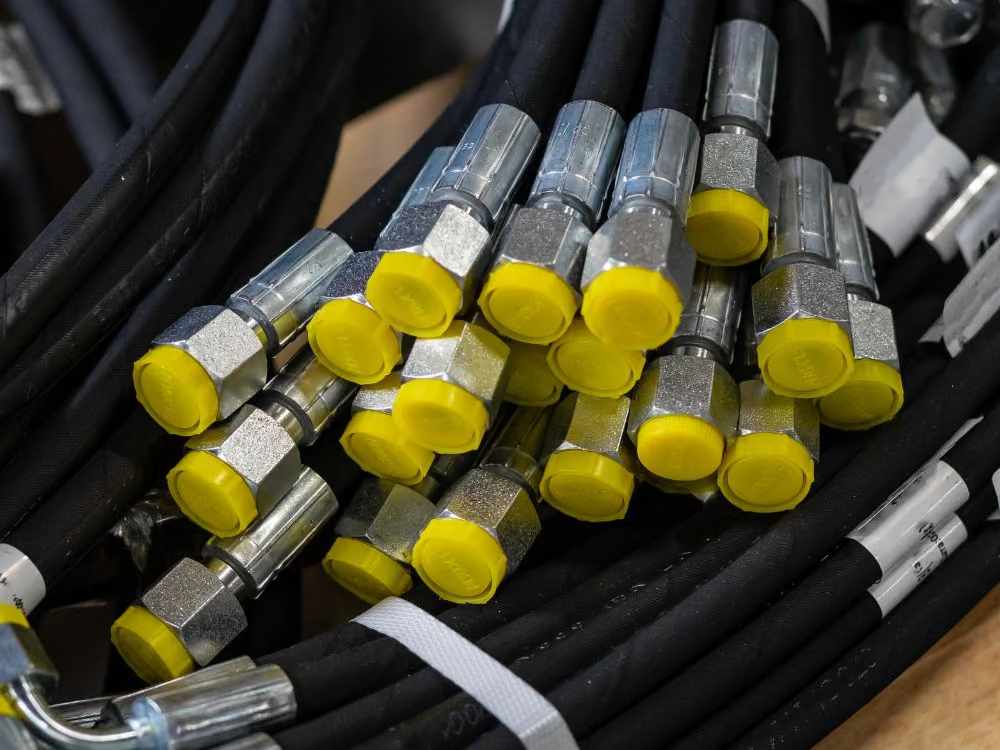 Captured · Bay 3 · 08:42
 HA-1608-9090° elbow
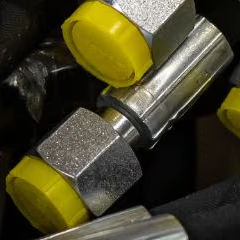 HA-16103/4" thread
Manufacturing and maintenance operations depend on thousands of individual components arriving at the right place at the right time.
Many of them look almost the same. A wrong variant, a supplier mistake or a picking error can go unnoticed until the part reaches assembly, when the fix costs far more than the part.
Checking every component by eye doesn't scale.
From the parts list you already have to a checked part, with the photo kept as proof.
Part numbers and reference photos, from a spreadsheet.
At the bench, on the shelf or on the machine.
Every answer is one of your part numbers.
Right part continues. Wrong part stops for review.
Photo, result and history kept as an audit trail.
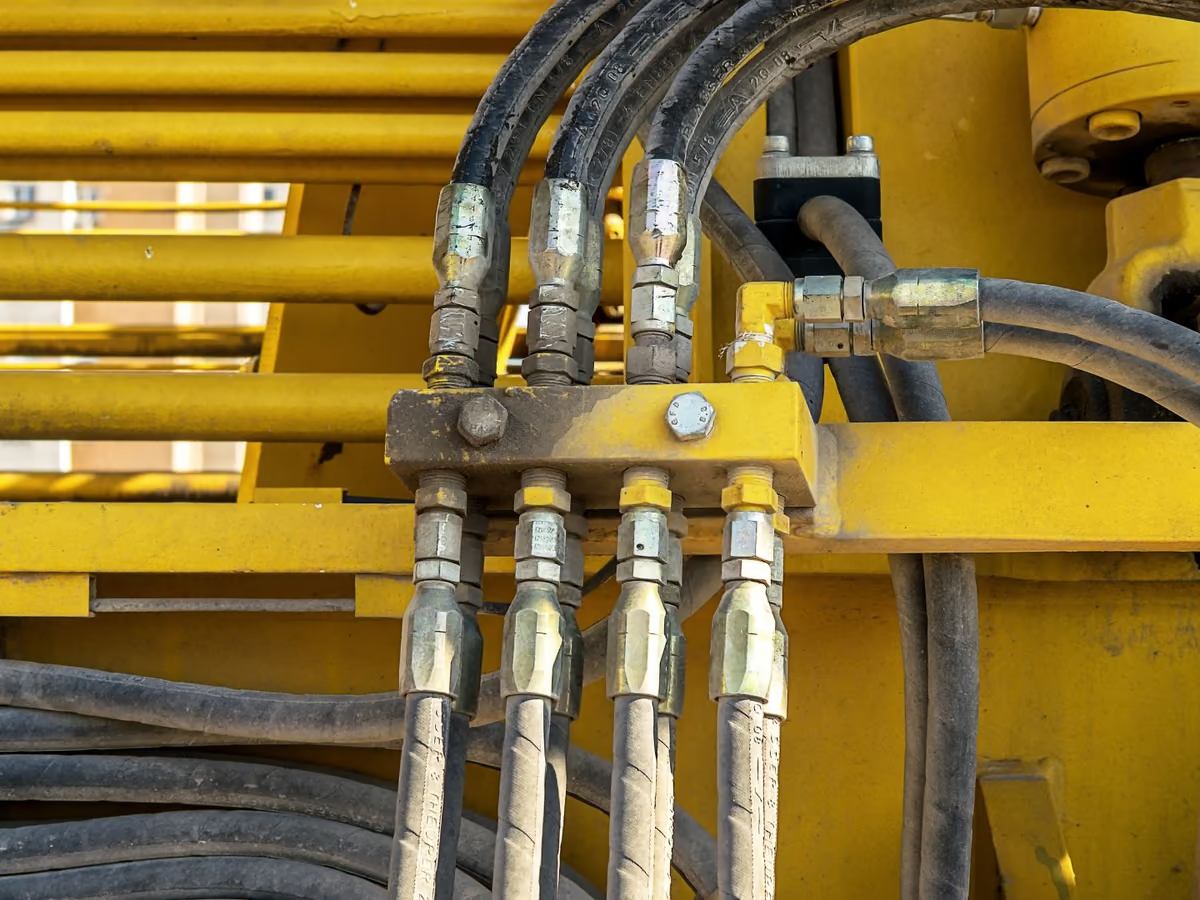
Labels fade, get painted over, fall off or end up on the wrong part. Tiliter matches the part itself to your list, so you still get a part number when the label can't be trusted.
Use both. Keep scanning where labels are good, and let the photo confirm the part behind the label is the one it claims to be.
Twenty part numbers or several hundred: every answer comes back as one of yours. When nothing on your list is a close enough match, a person decides instead of the system guessing.
Just want to know what's in a picture, without building a list first? That's what product recognition does.
Match deliveries to your parts list, even when the label is missing or wrong.
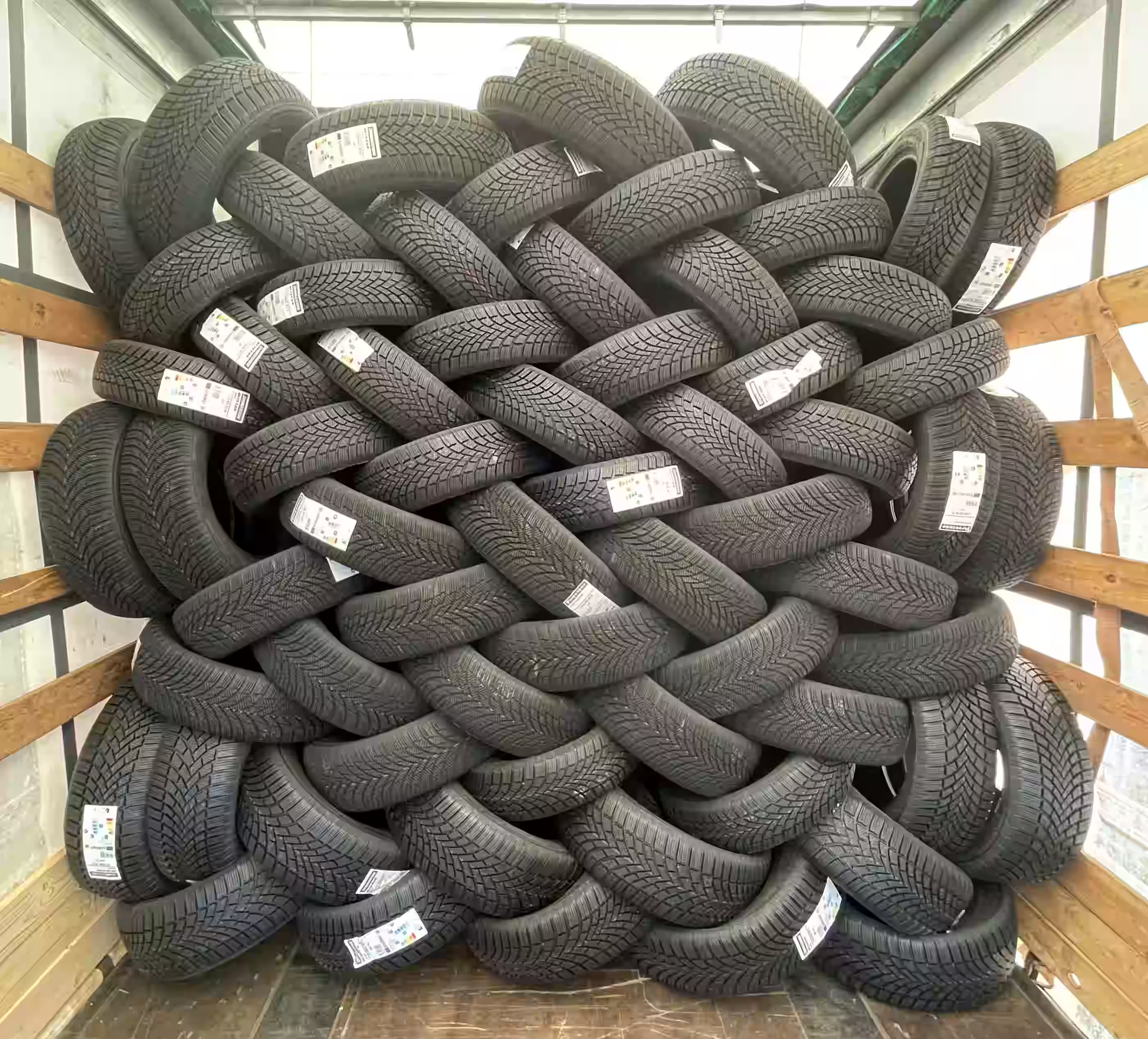
Confirm each part picked is the variant the job calls for.
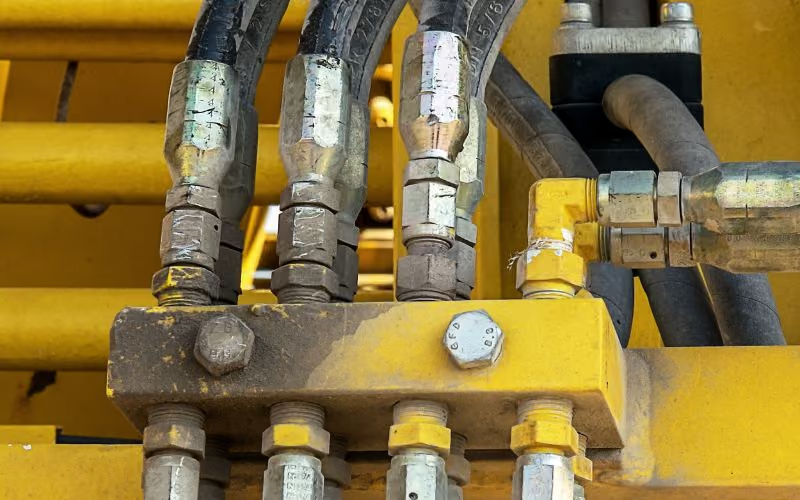
Check critical components before they are installed.
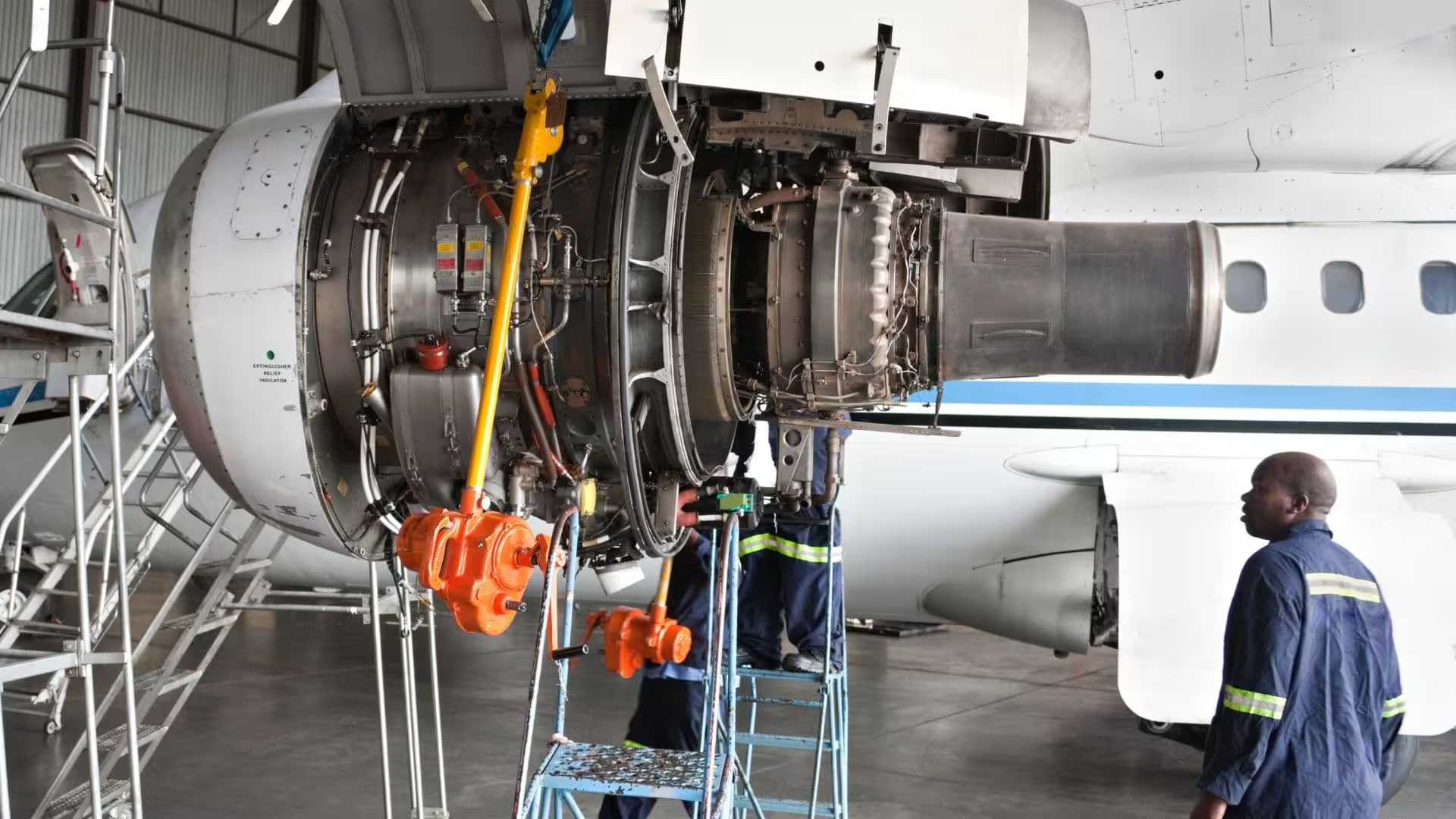
Identify a worn or unlabelled part on the machine and find its replacement.
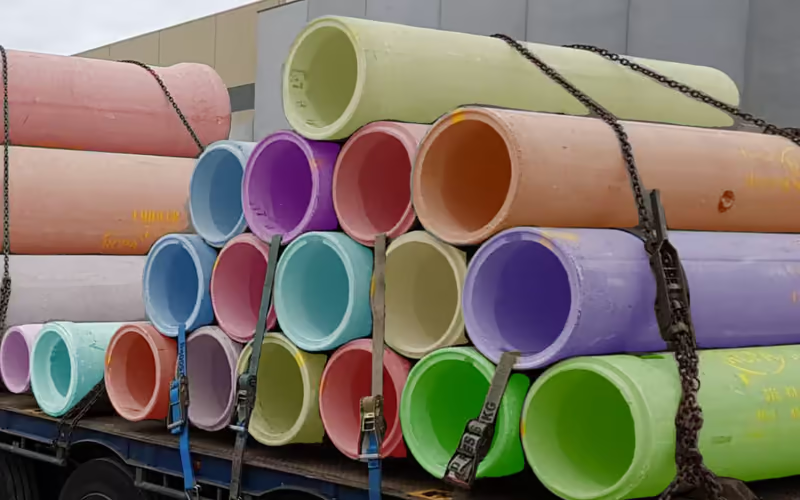
Keep photo evidence when a delivery doesn't match the order.
Working across large yards and warehouses? See how it works on industrial sites.
Start with a phone. Integrate into existing hardware when you're ready.
The value isn't the cost of checking a photo. It's the cost of the downstream mistake that never happens. One avoided line stoppage, rework event or delayed maintenance job can justify checking thousands of parts upstream.
You don't need your whole catalogue on day one. Start with the parts that are expensive to get wrong, send us examples of the ones you need to tell apart, and we'll help you work out whether parts verification is a good fit.