
Dirt, marks and residue
Identify visible dust, smears, water marks, residue and other signs that cleaning is incomplete.
Tiliter Vision Agent
Evaluate visible cleanliness from images and return a consistent score, visible findings and structured assessment.
The Cleanliness Evaluator analyses each image and returns a score, visible findings and a consistent assessment within seconds.
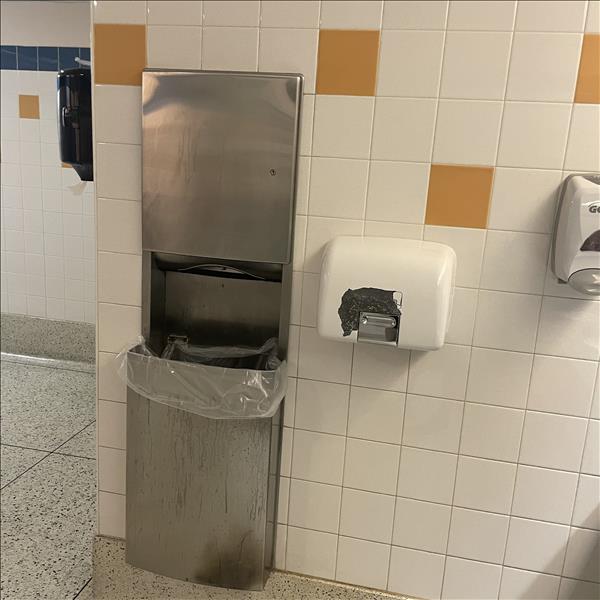
The agent is checking visible surfaces, fixtures, floor and bin against the evaluation criteria.
Automated cleaning verification applies the same visual criteria to every submitted image, with clear findings behind each score. Where a checklist records that somebody pressed a button, proof of clean software puts the state of the space itself on the record.
Identify visible dust, smears, water marks, residue and other signs that cleaning is incomplete.
Review visible floors, counters, fixtures and high-touch surfaces against defined criteria.
Detect visible waste, overflowing bins, clutter and conditions that affect overall presentation.
This agent performs the visual assessment. Thecleaning audit workflow adds assignments, mobile capture, decision rules and audit-ready reporting around it.
See the audit workflow →Explore real-world examples using the Cleanliness Evaluator to check visual conditions against your standards.
How teams keep cleaning standards consistent across sites, shifts and contractors, and what changes when the evidence is reviewed the same way every time.
Read use case →Monitor cleanliness across stations, trains and shared facilities. Detect visible issues, verify standards and create image-based records at scale.
Read use case →Verify room readiness, cleanliness and presentation using Tiliter Vision Agents. Reduce manual inspections across hospitality operations.
Read use case →Measure what food is actually being thrown away from photos taken on cameras and phones you already have – no smart bins, scales or specialised hardware.
Read use case →Identify contaminated waste streams from a photo taken at collection, so contamination charges, rejected loads and missed diversion targets can be traced to a cause and addressed.
Read use case →The visible condition of the space, rated against your standard rather than a generic idea of clean. It weighs what a supervisor notices first: marks and spillages, debris on floors, overflowing bins, and tidiness as something separate from hygiene. The rating comes back with the reasoning that produced it, so a low number can be examined instead of argued over.
That is the reason to use it. Two supervisors rarely score the same room the same way, and the same supervisor scores differently at 7am and at the end of a double shift. The same photo submitted twice returns the same rating, which is what makes a number worth comparing across sites and across weeks.
Yes, and you should. A four-star standard in a budget hotel and in a private hospital are different things. You define what acceptable looks like for your own sites, and the threshold decides what passes, what gets flagged and what is held.
Equipment surfaces and mats, floors, mirrors and glass, bins, and whether kit has been returned to its place. Gyms are one of the harder cases because the space is judged on both hygiene and tidiness, and a rack of dumbbells left out reads as unclean to a member even when every surface has been wiped.
Hotel rooms are among the longest-running deployments. Hospitality room verification covers how a room is checked for readiness and presentation, not cleanliness alone, before it goes to the next guest.
Yes. Prep surfaces, floors, equipment and waste areas are all visible checks. Related, and often run alongside it: food waste monitoring measures what is actually being thrown away from photos taken on cameras and phones the kitchen already has.
That is a related check rather than a cleanliness score. Recycling contamination detection identifies contaminated streams from a photo at collection, which is what you want when the problem is contamination charges and rejected loads rather than how clean a room looks.
This agent is the assessment itself: it reads an image and returns a score with findings. The cleaning audit workflow is everything around that – assigning the check, capturing on mobile, holding a space until it passes, raising rework and keeping the record. Most teams want both, but they are separate things: the agent answers what the photo shows, the workflow decides what happens next.
Yes, once the scores come from the same standard rather than from different people. That holds whether you are comparing offices, gyms, hotels or a transport fleet. Cleaning quality assurance covers benchmarking completed work across locations, which is the thing a consistent score makes possible and a clipboard never did.
The cleaner photographs the finished space on the phone they already carry, and the image is assessed against the standard you defined rather than a generic idea of clean. What comes back is a score with the visible findings attached – which surfaces, what was left, where the standard was missed – so a low result can be looked at rather than argued about. That is the whole difference between a photo sitting in a folder and a photo that has been read.
Software that records the state of a space rather than the completion of a task. A ticked checklist proves somebody pressed a button; proof of clean keeps the dated image alongside the result, so months later a client dispute or an audit can be answered with what the room actually looked like. Automated cleaning verification is the part that makes it scale – every submission is assessed the same way, instead of depending on which supervisor happened to walk round.
Yes, and that is usually the reason people start. One standard is applied to every image regardless of who captured it or which site it came from, so results are comparable across contractors and periods. Cleaning quality verification stops being a matter of whose supervisor is stricter, which is what makes contract performance reviewable rather than anecdotal.
Either. The result is available through the API the moment it is produced, so a score and its findings can land against the site record in a CAFM or facilities platform, or feed the monthly pack you already send a client. Teams who would rather not integrate anything use the Tiliter app end to end. What matters for contract reporting is that the image, the result and the timestamp travel together wherever they go.
Build visual verification workflows and deploy them through mobile, web, cameras or your existing systems. Deployed in thousands of locations worldwide and ready to scale with your operations.